Your practical guide for the sustainable transformation of industry

Unlocking funding through the Clean Industrial Deal State Aid Framework (CISAF)

hero

The European Commission has now adopted the Clean Industrial Deal State Aid Framework (CISAF). This is a key instrument under the broader Clean Industrial Deal, which aims to mobilise over €100 billion to boost EU-based clean manufacturing and industrial decarbonisation. While the CISAF framework is new, our CEE Incentives Hub offers deep experience in state aid to help your organisation navigate its complexities and position itself strategically for future funding opportunities.


CISAF streamlines Commission approval of national support schemes, enabling faster rollout of aid for clean energy, industrial decarbonisation and clean tech manufacturing. The framework is also intended to ensure alignment with EU State aid rules against undue market distortion.  


CISAF offers flexible tools - from grants and tax relief to de-risking private capital - and allows for up to 100% public support when awarded through competitive bidding procedures. 

Key features

  • Duration: until 31 December 2030

  • Fast-track assessment: Aid for competitive manufacturers, including innovative new entrants, will be prioritised. Decisions are targeted to be made within six weeks of notification to Commission.

  • No relocation: Aid cannot support relocation of production, capacity or economic activity within the EEA.

Areas covered under CISAF

This is support for renewable and low-carbon energy production, including storage and repowered capacities. Eligible activities may include wind, solar, hydro, biogas, RFNBOs and battery or thermal storage projects. Additionally, aid for flexible, non-fossil electricity infrastructure and capacity mechanisms compliant with EU target models is available. It is designed to facilitate the integration of intermittent renewable sources like wind and solar power into the energy supply.

This area concerns temporary relief for electricity costs is available for energy-intensive users in sectors particularly exposed to international trade. This support is conditional on reinvestment and may cover up to 50% of electricity consumed, provided the price does not fall below €50/MWh.

This is support for investments reducing greenhouse gas emissions or improving energy efficiency in industrial facilities. Projects may include electrification, hydrogen use, biomass, carbon capture, utilisation and storage (CCUS) and efficiency retrofits. Support can be granted based on predefined aid amounts (for support up to €200m), the funding gap or a competitive bidding process.

This area is around aid for new manufacturing capacity in net-zero technologies and related raw materials, including circular economy activities and nuclear technologies. Examples of these technologies include batteries, solar panels, electrolysers, heat pumps and nuclear fuel cycles. 

Support may reach up to €150 million per project outside assisted areas and up to €350 million in ‘a’ assisted regions. These ‘a’ regions are designated by the EU as the most disadvantaged in applications for regional development aid.  Support can be provided through schemes or on an individual basis.

These schemes support projects awarded a “Sovereignty Seal” (an EU quality label awarded to high-quality projects contributing to the Strategic Technologies for Europe Platform (STEP) objectives) receive a positive Innovation Fund evaluation. This is the case regardless of whether the projects were ultimately selected for Innovation Fund financing. 

These financial instruments support private capital in eligible clean industrial, energy and infrastructure projects. Support may take the form of equity, loans and/or guarantees provided to a dedicated fund or special purpose vehicle that will hold the portfolio of eligible projects.

Who can benefit?

  • Member states and public authorities. Those setting up national schemes, supporting green technologies or de-risking private capital flows through equity, loans or guarantees. 

  • Energy sector: Producers and developers of renewable energy (wind, solar, hydro, biogas and storage), clean fuels (RFNBOs, hydrogen, synthetic fuels) and non-fossil flexibility solutions.

  • Industries and manufacturers: Actors in energy-intensive sectors, for instance steel, cement or paper, planning decarbonisation, energy efficiency or electricity price relief. Clean tech manufacturers producing net-zero equipment and components can also benefit.

  • Carbon and climate actors: Those engaging in carbon capture, utilisation and storage (CCUS) projects and the circular economy through recycling and innovation. 

  • Investors and financial intermediaries: Such organisations seeking co-investment and financial support for green infrastructure or clean tech manufacturing initiatives.

How we can help

Navigating CISAF's and state aid complexities requires deep, specialised knowledge. 

PwC’s Incentives Hub provides practical, tailored advice to private sector clients and public authorities across all state aid matters. Our international team has expertise and extensive experience in state aid cases and public regulation design. Our team includes sector-specific professionals dedicated to energy, industrial decarbonisation, the circular economy and more.  

Our comprehensive assistance spans all phases of your project, from preparation to implementation, including: 

  • Eligibility assessment: Evaluating your project’s eligibility under CISAF and other state aid regulations to ensure alignment and maximise its potential for success.  

  • Application development and submission: Offering holistic support in preparing all required documentation, such as development of the application and its annexes. This includes justification of the aid amount through. funding gap analysis where applicable, as well as ensuring its proportionality and incentive effect. 

CEE Incentives Hub
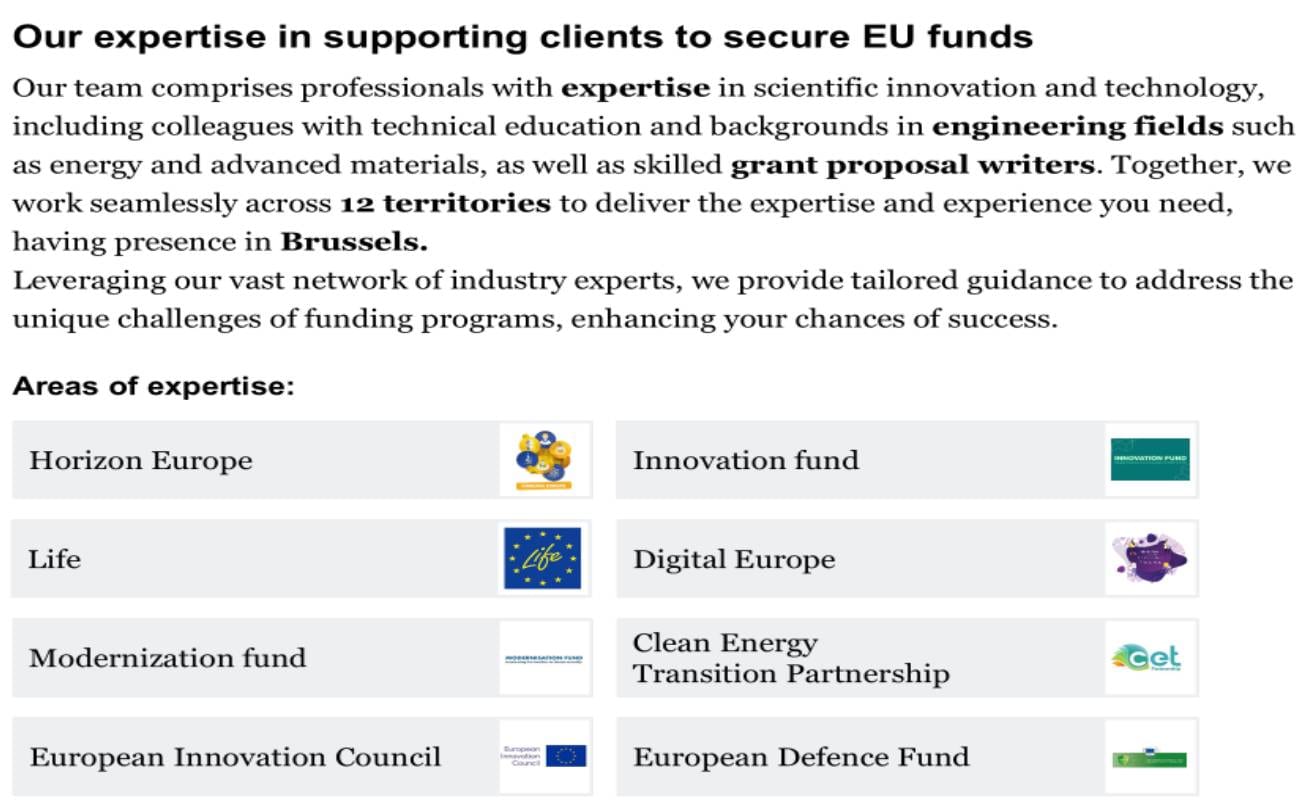
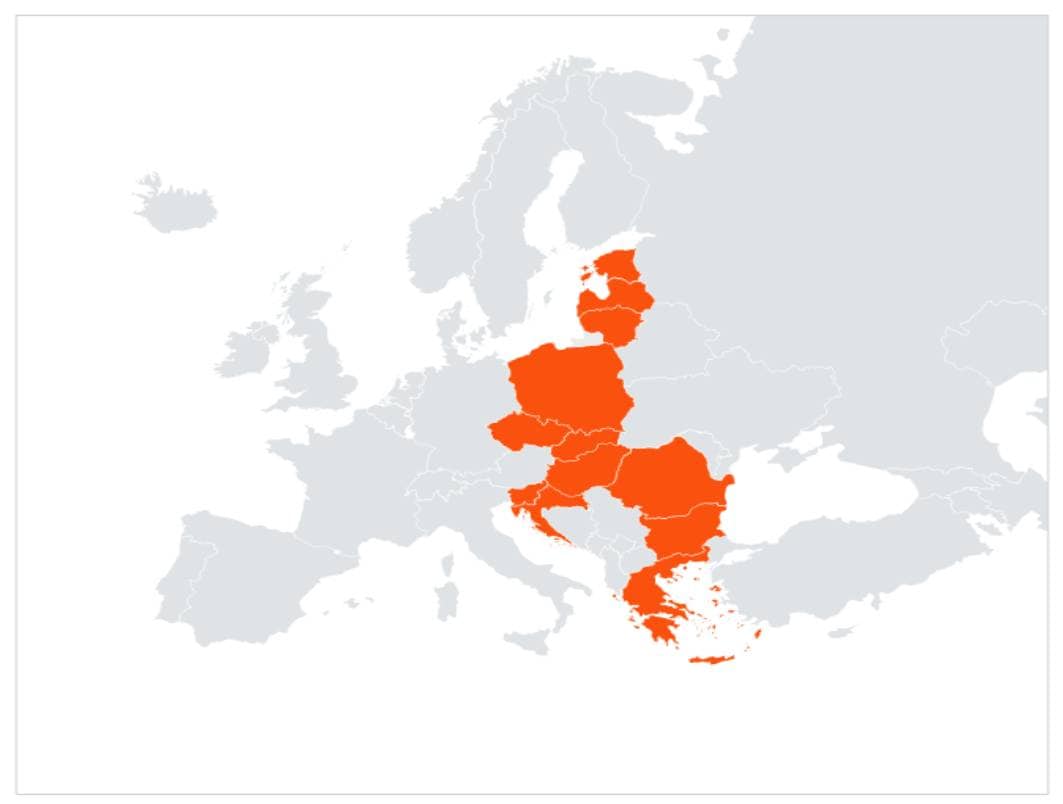
CEE Incentives Hub 1
CEE Incentives Hub 2

Discover all eligible areas and aid categories under CISAF.

Download your CISAF overview table to identify potential opportunities for your activities.

Contact us
Zuzana Palkechová

Zuzana Palkechová

Director, PwC Slovakia

Tel: +421 910 509 114

Barbara  Brzezińska

Barbara Brzezińska

Senior Manager, PwC Poland

Tel: +48 519 507 467

Anastasios Karameros

Anastasios Karameros

Manager, EU Affairs & Funding, PwC Greece

Audrius Tamulevičius

Audrius Tamulevičius

Manager, PwC Lithuania

Follow us on social media