We’re all familiar with the COVID story by now.
Parents juggling working from home and helping their kids with online school. Holidays and large events cancelled due to safety concerns. Video conferences and online get-togethers. Wearing masks, using hand sanitizer and keeping our distance.
COVID-19 disrupted our economy and our everyday routines. In addition to the health crisis, measures to quell the spread of the virus had economic impacts. Government restrictions and stay at home orders meant both citizens and businesses had to adapt.
Many studies focused on the sectors most impacted at the start of the pandemic. The travel industry, construction industry, small and medium-sized enterprises, and leisure facilities are often cited to be the hardest-hit. On the other hand, the initial lifestyle changes led to a drastic spike in demand for other services. Online conferencing platforms and food delivery services, for example, became vital tools to help people stay indoors.


Our report Responding to uncertainty: Trusted solutions that emerged during the pandemic explores which industries emerged stronger at the beginning of the pandemic. Beyond the consumer habits that led to their rise, we look at the key business responses that supported this impact.
As we continue to emerge from the pandemic, we paint a broader picture and present some correlations about agile businesses and new solutions that emerged to minimise the negative impact. Although the situation is volatile, many of the new habits will play a role in our new normal too. Here are strategies that businesses can take to transform and emerge stronger.
Key characteristics for adaptable businesses
Work from home capabilities
Agile operations
Substantial reserves
Advertisement capabilities
Local production
Simple supply chains
Consumer-centred webshops


Fintech solutions saw increased demand as a direct result of pandemic restrictions. Cash payments decreased drastically and the number of contactless transactions rose by 40% in the first quarter of 2020, according to Mastercard.
And there are still many opportunities for new and innovative fintech solutions. Fintech and IoT companies that automate financial, lending and account-opening processes, and develop customer service bots for banks and service providers can expect untapped potential. As we recover from the pandemic, the digitalisation of mortgage loans and life insurance are two areas to watch for.

The cancellation of notable sporting events like the 2020 Olympics were common headlines. But sports that quickly adapted to e-solutions saw a spike in interest from consumers. This was mostly seen by technical sports.
Nascar and F1, for example, organised races that saw higher viewership than normal. Online casino games increased in popularity as well. Australia registered 67% growth in online gambling, and the USA saw a 43% growth in the online poker market.

Like drones, the QR code was used in new ways. Before COVID-19, QR codes were widely popular in China, but not as common in Europe and America. But more countries have recognised the opportunity that these digital codes can provide in response to the pandemic.
This technology can be used to identify people, on product packaging, for church donations, collecting money, and identify pets, among others. During COVID-19, China introduced a QR-code-based system to classify citizens into three health categories. This has since been adopted by other countries, such as France and Russia.
We expect QR codes to continue to grow and be introduced across more sectors.
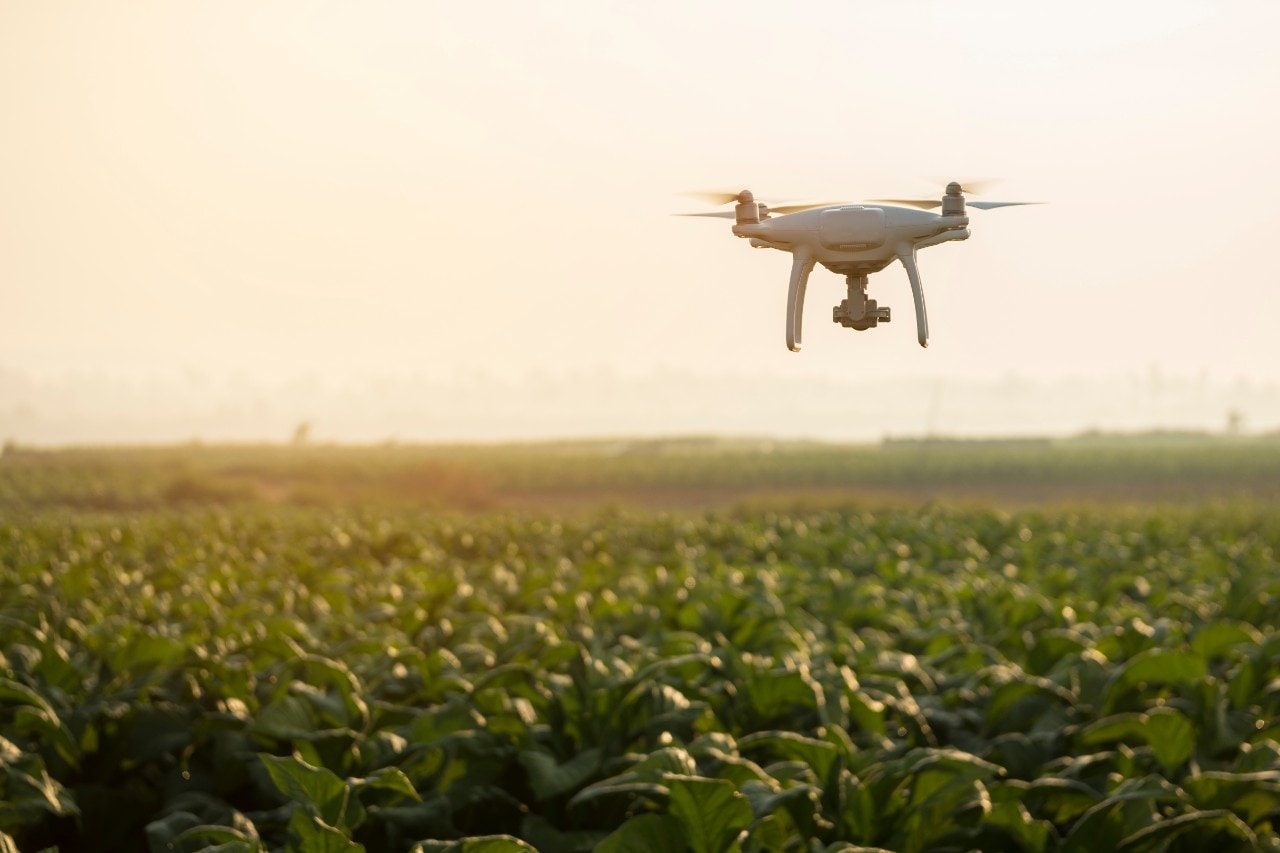
New drone applications were designed and created in response to the pandemic. The technology has created innovative ways to help citizens and protect communities in unprecedented ways.
For example, we have seen drone solutions that deliver medication, disinfect large cities and monitor citizen compliance with stay-at-home orders. As a result, drone technology is becoming more common and leveraged throughout the world.

Contact us
Júlia Perger
Senior Consultant, CEE Strategy & Transformation, PwC Central and Eastern Europe

