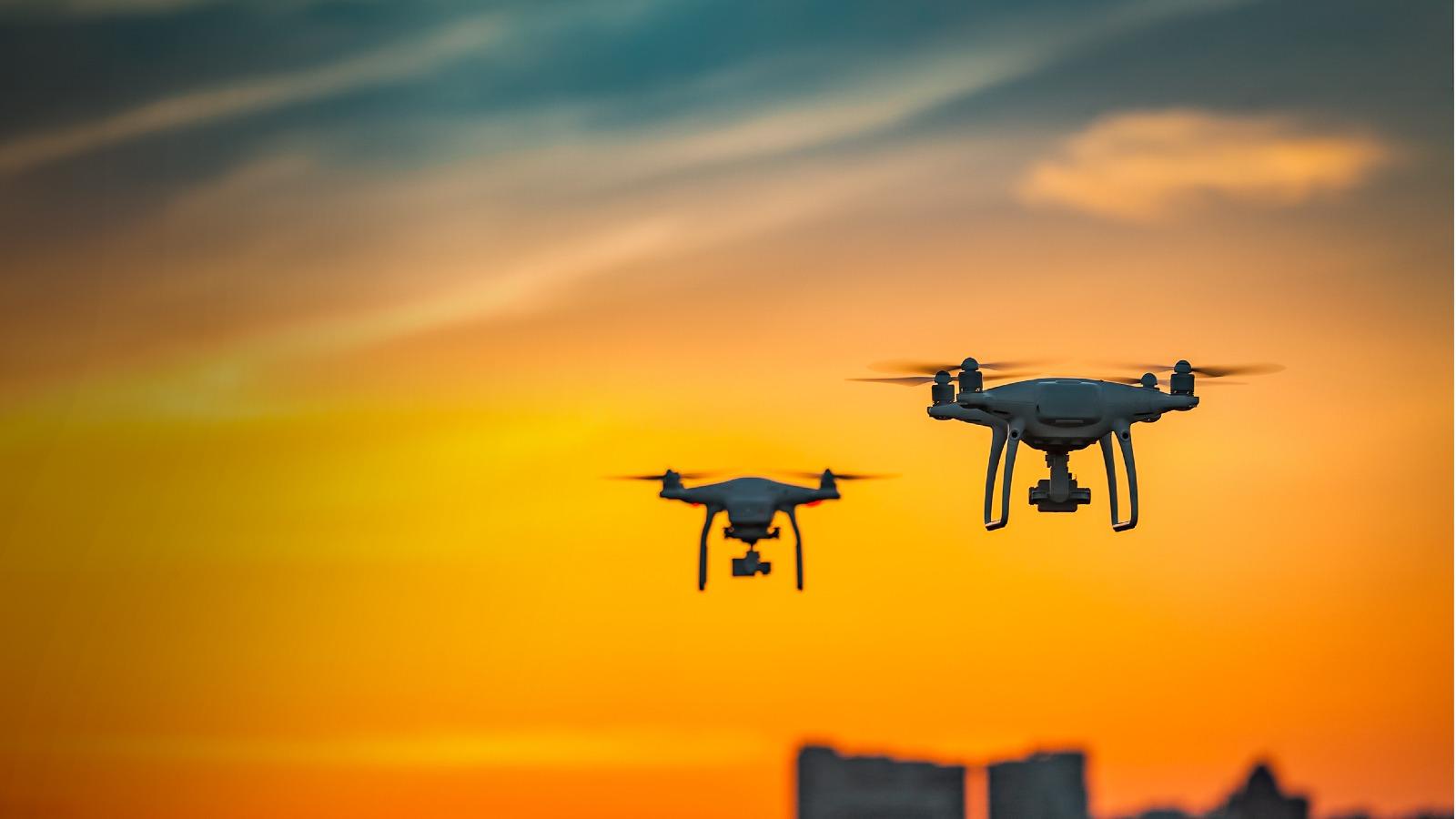
The widespread adoption of unmanned aerial systems (UAS) is creating new security challenges for operators of critical infrastructures. As drones become more accessible, affordable and technologically advanced, they introduce risks that traditional physical and cyber security measures were not designed to address. This development requires organisations to treat airspace as an additional security perimeter and to assess how aerial threats might impact operations, security and business continuity.
Addressing these risks requires far more than simply implementing detection or mitigation technologies. Organisations need a structured, risk-based approach that combines threat assessment, asset protection, monitoring capabilities and well-defined incident response processes. Effective resilience depends on the ability to quickly identify and assess drone-related activities and to coordinate actions with relevant stakeholders where necessary.
At the same time, the regulatory landscape remains complex and fragmented. Although European regulatory frameworks, such as the CER and NIS2, are raising expectations regarding resilience, preparedness and accountability, infrastructures operators often face uncertainty regarding the measures they are legally permitted to take. This creates difficulties in striking a balance between compliance requirements, operational effectiveness and investment priorities.
With the growing use of drones, greater coordination between public and private stakeholders, a clearer definition of responsibilities and a more harmonised regulatory framework will be essential. Organisations that proactively understand and manage drone-related risks will be better placed to strengthen resilience and ensure the continuity of critical services.

Operators of critical infrastructures must extend security beyond the physical and cyber domains to address aerial threats posed by drones.
Organisations are facing increasingly stringent obligations regarding the management of risks associated with drones, but often lack the legal authority required to implement active countermeasures against drones used for malicious purposes.
Effective C-UAS strategies depend on risk-based planning, stronger coordination between the public and private sectors, and more harmonised regulatory frameworks to protect critical infrastructures.
Request the report
C-UAS perspectives on critical infrastructure resilience
Contact us